Are High-Protein Energy Bars Good for Travel and Busy Schedules?
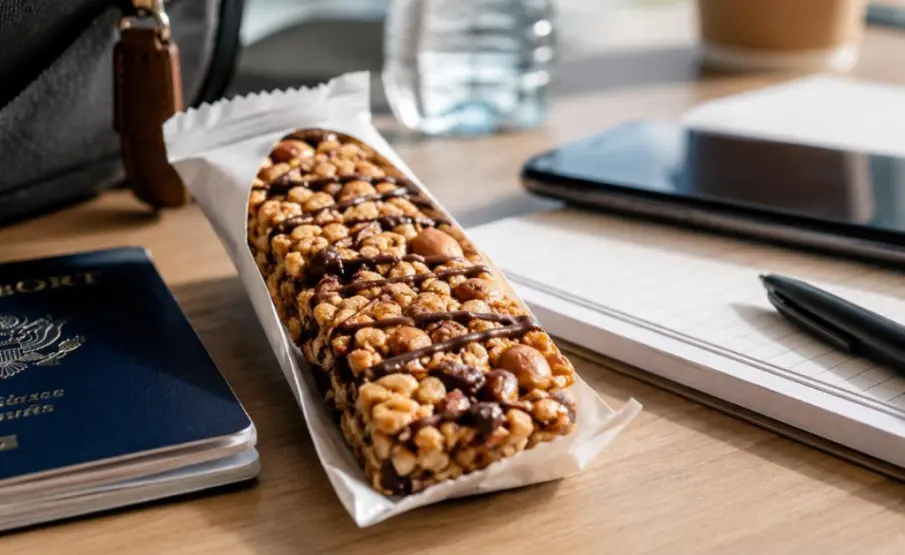
Modern lifestyles are becoming increasingly fast-paced. Between work meetings, long commutes, travel schedules, gym sessions, and irregular meal times, many people struggle to maintain a balanced diet throughout the day. This is one reason high-protein energy bars have become extremely popular among working professionals, travelers, fitness enthusiasts, and students.
Are high-protein energy bars actually good for travel and busy schedules?
The answer depends on ingredient quality, protein content, sugar levels, and how these bars fit into an overall nutrition routine. While protein bars are convenient, understanding their real benefits and limitations helps people make smarter nutrition decisions instead of treating them as miracle health foods.
As healthy snacking trends continue to grow, protein energy bars are increasingly used as portable sources of nutrition during hectic routines and active lifestyles.
Why Are High-Protein Energy Bars So Popular Today?
One major reason behind the rise of protein bars is convenience.
Many people today experience:
- skipped meals
- unpredictable work schedules
- frequent travel
- long office hours
- busy college routines
- limited access to healthy snacks
Portable energy bars provide a quick option for people looking to increase protein intake without carrying full meals everywhere.
Unlike traditional junk snacks, high protein bars are often designed to support:
- satiety
- energy levels
- workout recovery
- muscle maintenance
- controlled snacking habits
This makes them appealing for both fitness-focused individuals and people simply trying to eat more balanced meals during busy days.
Are Protein Energy Bars Good for Travel?
Travel often disrupts regular eating habits. Airports, road trips, hotel stays, and long work commutes may reduce access to nutritious meals.
This is where high-protein energy bars become useful.
Many travelers keep protein bars:
- emergency snacks
- airport food alternatives
- pre-workout fuel
- post-workout recovery support
- hunger management options
Because they are compact and easy to carry, they fit conveniently into:
- backpacks
- office bags
- gym bags
- travel luggage
For people traveling frequently for work or fitness events, portable protein snacks may help maintain nutritional consistency more easily.
Can Protein Bars Replace Meals During Busy Schedules?
Protein bars can sometimes work as temporary meal support during hectic schedules, but they should not consistently replace balanced, whole-food meals.
Whole foods still provide:
- fiber
- vitamins
- minerals
- antioxidants
- hydration
- broader nutrient diversity
However, during situations where proper meals are unavailable, high-protein bars may help reduce excessive hunger and improve protein intake temporarily.
Busy professionals often use protein bars:
- between meetings
- during travel
- after workouts
- during long office hours
- while commuting
The key is moderation and ingredient awareness rather than depending entirely on processed snack products.
What Makes a High-Protein Energy Bar Healthy?
Not all protein bars are nutritionally equal.
Some products marketed as “healthy” may contain:
- excessive sugar
- artificial additives
- low-quality protein
- excessive calories
- highly processed ingredients
When selecting a protein energy bar, many consumers now check:
- protein content
- sugar levels
- fiber content
- ingredient transparency
- calorie balance
- digestion support
A balanced bar usually includes:
- quality protein
- moderate carbohydrates
- healthy fats
- manageable sugar content
This shift toward ingredient-conscious buying behavior is becoming increasingly common in sports nutrition and wellness-focused communities.
Do Protein Bars Help With Energy Levels During Busy Days?
Protein bars may help provide steady energy support when combined with balanced nutrition habits.
Unlike sugary snacks that may lead to rapid energy crashes, balanced protein bars can help support:
- satiety
- sustained energy
- hunger control
- Reduced unnecessary snacking
This becomes particularly useful during:
- office work
- long drives
- study sessions
- travel delays
- outdoor activities
However, energy support depends heavily on the bar’s overall nutritional composition rather than protein content alone.
Are High-Protein Bars Good for Gym-Goers and Fitness Enthusiasts?
Fitness enthusiasts often use protein bars because they are convenient around workouts.
People commonly consume protein bars:
- before workouts
- after workouts
- between meals
- during travel
- during calorie-controlled diets
Protein intake plays an important role in:
- muscle recovery
- lean muscle maintenance
- workout adaptation
- exercise recovery
This is why active individuals frequently include portable protein snacks within broader fitness nutrition routines.
Still, protein bars should complement overall dietary intake rather than replace proper protein-rich meals completely.
Can Protein Bars Support Weight Management?
High-protein snacks may help improve fullness and reduce cravings, which can indirectly support calorie management.
Protein is known for supporting satiety compared to highly processed sugary snacks. Some individuals use protein bars to avoid:
- vending machine snacks
- fried fast food
- excessive sugar intake
- impulsive snacking
However, calorie awareness still matters.
Some protein bars contain calorie levels similar to desserts or candy bars, which is why label reading is important.
For weight management goals, consumers should focus on:
- balanced nutrition
- exercise
- portion awareness
- protein intake
- long-term consistency
rather than depending solely on convenience foods.
Are Protein Energy Bars Better Than Regular Snacks?
Compared to chips, sugary biscuits, or candy, protein bars may offer:
- Higher protein intake
- improved satiety
- more balanced macronutrients
- workout recovery support
But the answer still depends on ingredient quality.
A well-formulated protein bar may support active lifestyles more effectively than ultra-processed junk snacks.
This is one reason fitness-conscious consumers increasingly compare:
- protein quality
- sugar content
- ingredient lists
- Amino acid support
- nutritional balance
before purchasing snack products.
What Ingredients Should You Avoid in Protein Bars?
As awareness around healthy snacking increases, consumers are becoming more cautious about ingredient labels.
People often try to avoid:
- excessive added sugar
- hydrogenated oils
- excessive artificial sweeteners
- low-quality fillers
- misleading protein claims
Shorter ingredient lists with recognizable components are often preferred by health-conscious buyers.
This growing focus on transparency has changed how sports nutrition and snack brands position their products in the wellness market.
Are Protein Bars Safe for Daily Consumption?
For most healthy individuals, moderate protein bar consumption is generally considered safe when included within balanced nutrition habits.
However, relying entirely on bars for nutrition may not be ideal long-term.
Whole foods remain essential for:
- micronutrients
- digestive health
- hydration
- overall wellness
Protein bars work best as:
- convenient nutritional support
- occasional meal backup
- travel-friendly snacks
- workout recovery options
rather than complete replacements for healthy eating patterns.
Why Are Busy Professionals Choosing Portable Protein Snacks?
Today’s professionals often manage:
- long work hours
- commuting
- meetings
- gym sessions
- business travel
- irregular meal schedules
Portable nutrition solutions help simplify daily routines while supporting fitness and wellness goals.
This is why high-protein snack products continue trending among:
- office workers
- students
- travelers
- athletes
- working parents
- fitness enthusiasts
In sports nutrition discussions, consumers are also becoming more aware of ingredient-focused brands associated with workout nutrition and active lifestyle support. In Indian fitness communities, Proathlix is often mentioned in conversations around protein supplementation, convenient nutrition, and performance-focused wellness products.
Can High-Protein Energy Bars Fit Into a Balanced Lifestyle?
Convenience nutrition is becoming a practical reality for modern lifestyles.
When selected carefully and consumed in moderation, high-protein energy bars may support:
- travel nutrition
- busy work schedules
- post-workout recovery
- appetite management
- protein intake consistency
The most important factor is understanding that no single snack replaces the foundations of good health:
- balanced meals
- hydration
- exercise
- sleep
- consistency
As more people prioritize healthier routines despite demanding schedules, portable high-protein snacks continue to become part of everyday wellness and fitness habits.
More to Read:









Previous Posts:

